

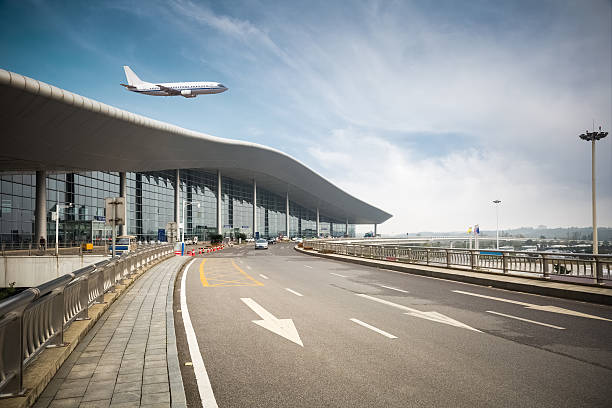
Second Bali Airport Could Unlock New Era of Sustainable Development, Says LUX Property Group
By Newsdesk
BALI, Indonesia. The proposed second international airport for North Bali has moved a step closer to becoming reality after receiving support from President Prabowo Subianto and its inclusion in Indonesia’s 2025 to 2029 National Development Plan.
While the project remains subject to further planning, approvals and implementation, the proposal has already generated significant interest from tourism operators, investors and developers who believe it could transform the economic future of North Bali.
Among them is LUX Property Group, which has welcomed the proposal and says it would seriously consider developing one of its signature eco resort and mini city projects near the proposed airport if construction proceeds.
The company says the development could include an eco resort, luxury villas, boutique hotels, wellness retreats, retail precincts, restaurants, sports facilities and a master-planned eco mini city designed to attract both international visitors and long-term residents.
“We believe North Bali has enormous untapped potential,” said Jamie McIntyre, founder of LUX Property Group and Chief Editor of the Australian National Review.
“A second international airport would significantly improve accessibility and create opportunities for carefully planned, sustainable developments that benefit local communities while attracting higher-value tourism.”
LUX Property Group is currently completing three developments in Bali and is preparing to commence construction in the final quarter of 2026 on its South Lombok eco mini city development at Nesara Bay City. The company says it continues to evaluate additional opportunities throughout Bali and across Indonesia for similar lifestyle-focused developments.
The proposed North Bali project would follow LUX’s existing model of combining hospitality, wellness, residential property and commercial facilities within integrated master-planned communities.
Government and Private Sector Partnerships
The company also believes Indonesia has an opportunity to accelerate regional development through greater collaboration between government and private developers.
LUX Property Group is currently considering opportunities associated with Indonesia’s new capital, Nusantara, after being invited by the Indonesian Government to submit further details regarding proposed hospitality, tourism and convention-related developments.
According to McIntyre, one of the largest barriers facing developers is not construction itself, but acquiring sufficient land, funding major infrastructure and navigating lengthy planning and permitting processes.
He argues governments can dramatically reduce these barriers by contributing strategically located land into development partnerships rather than selling it outright.
“Governments have the unique ability to create enormous value simply through planning decisions,” McIntyre said.
“When appropriately zoned land is combined with basic infrastructure and streamlined approvals, private developers can focus their capital on building hotels, homes, commercial centres and tourism infrastructure rather than tying up billions of dollars acquiring land.”
He believes this approach can reduce upfront government expenditure while allowing governments to retain an equity interest in long-term developments.
Vision for Six New Modern Cities
LUX Property Group has also promoted a broader proposal encouraging Indonesia to develop six new modern master-planned cities over coming decades.
The concept includes sustainable communities featuring tourism precincts, technology hubs, universities, convention centres, financial districts, wellness facilities, affordable housing and Special Economic Zones designed to attract international investment.
McIntyre believes these cities could be delivered with minimal cost to taxpayers through innovative public-private partnerships.
“The hardest part of building a city isn’t constructing the buildings,” he said.
“It’s securing enough land, funding the infrastructure and waiting years for approvals. Governments already control land and have the ability to unlock enormous value simply by rezoning it and providing planning certainty.”
Under the model proposed by LUX Property Group, governments could contribute land into projects as equity while private developers provide the funding, construction expertise and ongoing management.
Instead of developers spending years raising capital to acquire land, they could immediately direct investment into building homes, hotels, resorts, convention centres, wellness facilities and supporting infrastructure.
McIntyre believes this model could create substantial wealth for Indonesia while accelerating economic development and attracting both domestic and international investment.
He also believes Special Economic Zones, similar to those successfully implemented in Dubai and now being considered in parts of Indonesia, could position the country as one of Asia’s leading destinations for business, technology, tourism and expatriate living.
With discussions surrounding the proposed North Bali International Airport continuing, LUX Property Group says it intends to closely monitor progress and would welcome the opportunity to participate in the region’s future development should the project move forward.
If approved, the airport could become one of Bali’s most significant infrastructure projects in decades, opening new opportunities for tourism, investment and sustainable economic growth across northern Bali.
Websites
LUX Property Grouphttps://luxproperty.group
LUX Bali Stayshttps://luxbalistays.com
Nesara Bay Cityhttps://nesarabaycity.com
Australian National Reviewhttps://australiannationalreview.com

