


A senior aide to US President Donald Trump has hailed worsening economic conditions in the Islamic Republic
A top White House official has said Iran is on the brink of an “extreme calamity” and hunger as the US is counting on economic pressure to secure its objectives in the conflict.
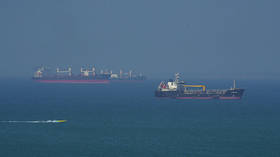
President Donald Trump ordered a naval blockade of Iranian ports and intensified sanctions after a bombing campaign failed to bring down the government in Tehran. Although large-scale military operations largely paused under a fragile ceasefire announced last month, both sides are now seeking to use economic strain to gain leverage.
Kevin Hassett, director of the National Economic Council, pointed to what he described as severe economic deterioration in Iran during an interview with CBS News on Sunday, blaming the Iranian leadership for the situation.
“They’re an economy that’s really on the precipice of extreme calamity,” Hassett claimed, citing internal briefings. “They are having hyperinflation. They’re starting to face hunger.”
When asked whether the naval blockade – traditionally considered an act of war – meant the US was effectively at war with Iran despite the president’s statements to Congress, Hassett said he was uncertain “what the definition of war is when we’re not shooting and we’re negotiating.”
Treasury Secretary Scott Bessent echoed the administration’s stance, telling Fox News that US anti-Iranian measures were “suffocating the regime.” He emphasized a coordinated government effort, describing efforts by his department as “economic fury” in a reference to the Pentagon’s designation for the war on Iran, Operation Epic Fury.
“We [have been] running a marathon over the past 12 months, and now we are sprinting toward the finish line,” he added.
US economic warfare
Washington has long relied on unilateral sanctions to target foreign governments, leveraging its influence over global financial systems and the central role of the US economy to enforce restrictions.
While US officials often present such measures as aimed at pressuring government officials, critics argue they amount to a form of economic warfare. A 2025 study published in The Lancet Global Health estimated that unilateral sanctions imposed by the US and EU between 2010 and 2021 contributed to approximately 564,000 excess deaths annually.
Washington facing mounting challenges
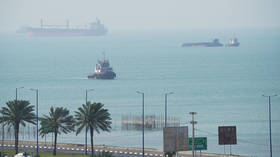
Despite assertions by Trump administration officials that the campaign against Iran has been a resounding military success, Tehran has not accepted US demands and continues to exert control over shipping through the Strait of Hormuz, a key artery for global energy supplies.
The US is also reported to have drawn down significant stocks of critical munitions, and it has strained relations with traditional allies who declined to back the military action. It is also dealing with the fallout from the broader economic disruption caused by the crisis, which could trigger the worst global economic crisis in decades.
You can share this story on social media:




