


The German chancellor is under pressure to soften plans to scrap early retirement as his SPD coalition partners demand a change of course
German Chancellor Friedrich Merz’s humiliating run of regional election defeats has reignited a bitter fight over his unpopular pension reform, with his Social Democratic coalition partners pushing back against plans that could make Germans work longer, national media have reported.
Merz’s Christian Democrats suffered a historic drubbing this month, culminating in what the chancellor himself called a “disaster” in Mecklenburg-Western Pomerania. The CDU failed to clear the 5% threshold for the state parliament, while the right-wing, anti-immigration and Euroskeptic Alternative for Germany (AfD) came first. The AfD also topped the vote in Saxony-Anhalt, while in Berlin the CDU was pushed into second place behind the left-wing Die Linke. The SPD also suffered significant losses.
The defeats have complicated Merz’s already contentious reform drive. At the center of the fight is the so-called “pension at 63,” which allows people with 45 qualifying years to retire early without deductions. A government commission recommended scrapping the scheme, citing Germany’s aging population straining pension finances and the workforce. Merz, who has repeatedly urged Germans to work more, backs the reform.
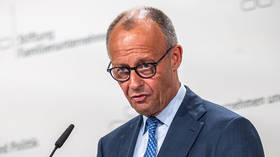
Opponents, however, have argued abolition would punish people who started work young and paid into the system for decades. The issue is particularly sensitive in eastern Germany, where incomes and private savings tend to be lower. An INSA poll published last month found 68% of Germans opposed scrapping the scheme.
The election rout has given those opponents fresh leverage, including within Merz’s conservative camp, German media has reported. An SPD strategy document circulated this week argued there are “open questions” on proposed early retirement changes. SPD parliamentary group leader Matthias Miersch has called the entitlement after 45 years a “fundamental issue of justice,” while Mecklenburg-Western Pomerania’s Minister-President Manuela Schwesig argued that people who have worked and paid contributions throughout their careers should retain the right to retire early without deductions.
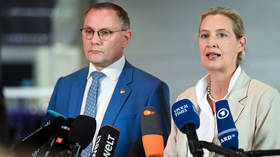
The coalition is now scrambling for a compromise. According to Bild and Spiegel reports on Thursday, options include preserving deduction-free early retirement for physically demanding jobs, such as roofing, or raising the qualifying period from 45 years to 46 or 47. Hardship exemptions and transition periods for workers nearing retirement are also under discussion.
Alexander Hoffmann, parliamentary group leader of the CSU, the CDU’s sister party, argued there could be no pension reform without scrapping the early retirement scheme, telling Bild: “We have a clear agreement in the coalition: hardship cases yes, standard cases no.” However, nearly four hours of coalition talks this week reportedly failed to produce an agreement.
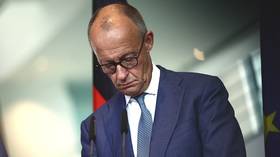
The clash threatens more than the pension scheme. Merz came to power promising sweeping reforms to revive Europe’s largest economy after years of stagnation, but the election defeats have sharply narrowed his room for maneuver. Analysts say SPD lawmakers whose votes he needs have less incentive to embrace unpopular measures after the governing parties were punished at the ballot box, while resistance is also reportedly growing within the CDU itself, particularly in the east. Merz, however, has responded to the election defeats by insisting that “the reforms must come.”
The chancellor’s own standing has plunged amid economic weakness and dissatisfaction with his government. Earlier this month, just 10% of respondents told pollster Forsa they were satisfied with his performance, against 88% who were dissatisfied. A YouGov poll published ahead of the latest elections found 48% of Germans expected him to be out of office by year-end. German media have also discussed the possibility of a Kanzlertausch, or “chancellor swap,” if the CDU suffers further setbacks.
You can share this story on social media:



