Brussels must decide if it wants to negotiate with Russia before choosing a representative, spokesman Dmitry Peskov has said
Speculation over who should serve as the EU’s representative in potential negotiations with Russia is meaningless as long as the bloc has not committed to diplomacy, Kremlin spokesman Dmitry Peskov has said.
Debates over resuming talks were reignited last week when Russian President Vladimir Putin said former German Chancellor Gerhard Schroeder would be a suitable EU envoy.
Brussels has rejected the idea. Media reports later named outgoing German President Frank-Walter Steinmeier as a potential candidate. Speaking to RIA Novosti on Tuesday, Peskov called the discussions premature.
“One could read the tea leaves and list every famous name,” Peskov said. “Anyone could [take on that task]. What matters is a political decision to resume dialogue.”
Kallas rejects ‘lobbyist’ Schroeder
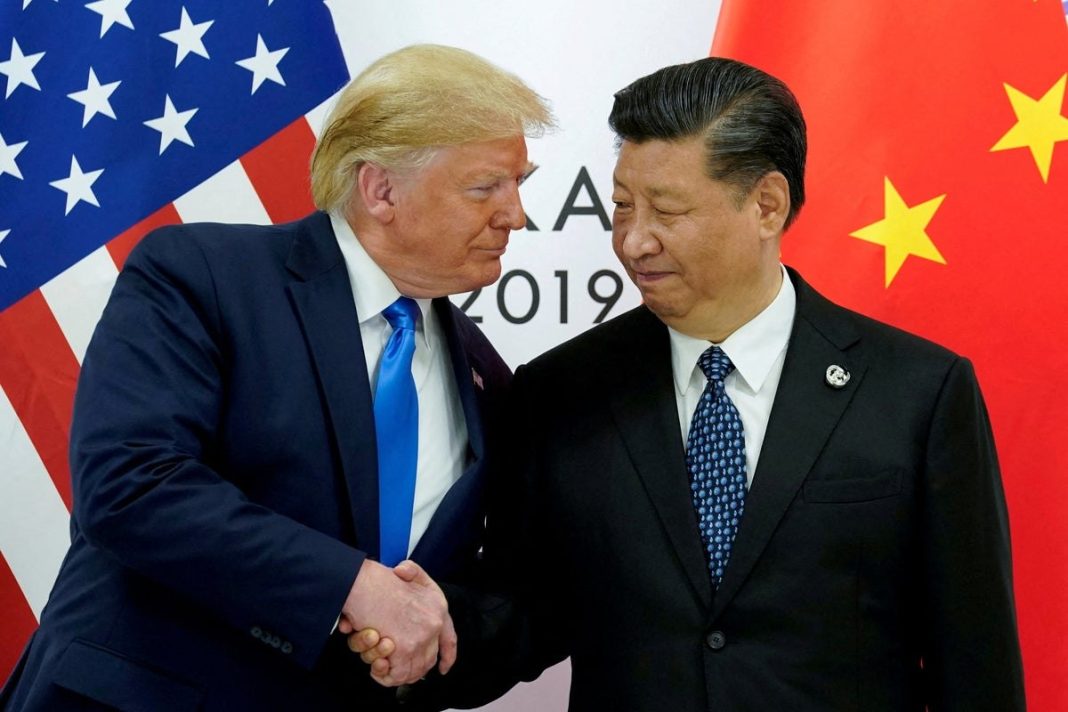
Western nations have sought to isolate Russia since the escalation of the Ukraine conflict in 2022. While the US has abandoned the policy under the administration of President Donald Trump, Brussels maintains its position of not engaging Moscow diplomatically – though fears have grown in the EU that its concerns will be sidelined if a peace deal is reached.

EU foreign policy chief Kaja Kallas on Monday rejected the idea of Schroeder acting on behalf of the bloc, calling the former German leader a Russian “lobbyist.”
“Before we discuss with Russia, we should discuss among ourselves what exactly we want to discuss with them,” Kallas said, adding that EU leaders are seeking security guarantees from Moscow. Kallas is a vocal opponent of normalizing relations with Moscow.
Putin said European governments are free to nominate any representative they want, provided that the individual has not publicly slandered Russia in the past. “We were not the ones who refused talks – they were,” he added.
SPD calls for pragmatic approach
According to Der Spiegel, the German government considers Putin’s remarks about Schroeder a “sham proposal.”
However, Adis Ahmetovic, the foreign policy spokesman for the Social Democratic Party (SPD), argued that the possibility should not be dismissed.
“The goal must be for Europe to have a seat at the negotiating table,” Ahmetovic told the outlet, adding that Schroeder should be “carefully considered together with our European partners rather than ruled out categorically from the outset.”
Schroeder, 82, led the SPD and served as German chancellor from 1998 to 2005 before being succeeded by Christian Democratic leader Angela Merkel. Since 2022, he has been ostracized by his own party over his support for Russian-German energy cooperation.
Steinmeier, a fellow member of the SPD, is expected to step down from his largely ceremonial role as German president in early 2027. He was among the architects of the controversial Minsk II agreement – the 2015 roadmap for settling the Donbass conflict negotiated by Kiev, Berlin, Paris, and Moscow – which former Ukrainian and Western officials later admitted helped buy time for Ukraine’s military buildup.
Other names floated by the Western media as potential EU envoys for talks with Russia include Finnish President Alexander Stubb, whose country abandoned decades of military neutrality to join NATO in 2023, and Kallas, who has repeatedly ruled out negotiations as long as Putin remains in power.