


The move comes just days after the Gulf nation broke with OPEC and OPEC+, citing the need to gain more flexibility over oil output
The United Arab Emirates has officially withdrawn from the Organization of Arab Petroleum Exporting Countries (OAPEC), according to a statement posted by the group on X on Sunday.
The exit took effect on May 1 – the same day Abu Dhabi’s withdrawal from the Organization of the Petroleum Exporting Countries (OPEC), and the wider OPEC+ format, which includes Russia, came into force.
The decision came amid ongoing Middle East turmoil triggered by the US-Israeli war on Iran. A dual blockade of the Strait of Hormuz – a key route for about 20% of global oil flows – along with repeated US warnings that strikes could resume, has pushed crude prices to multi-year highs.
OAPEC, headquartered in Kuwait, was established in 1968 to boost economic cooperation among Arab oil exporters. Its three founders – Kuwait, Libya, and Saudi Arabia – were later joined by other Arab states, and prior to the UAE’s departure the group comprised 11 members, including Algeria, Bahrain, Egypt, Iraq, Qatar, Syria, and Tunisia. Unlike OPEC and OPEC+ groupings – which include major oil producers worldwide and play a direct role in managing supply and prices – OAPEC is primarily a technical body coordinating energy policy among Arab producers.
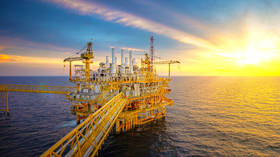
“The General Secretariat of the OAPEC has been informed of a letter from… Suhail Mohammed Al Mazrouei, UAE Minister of Energy and Infrastructure… containing the decision of the UAE to withdraw from membership in the Organization, effective from 1 May 2026,” the group said.
It voiced no opposition, saying it “appreciates the role played by the UAE” during its membership and its “effective contributions” to advancing joint Arab cooperation in the petroleum and energy sector.
Abu Dhabi has not yet commented on the decision. The Gulf nation previously said its exit from OPEC and the broader OPEC+ format was driven by national interests, describing it as part of a long-term strategy to gain more flexibility over oil output, free from production caps and multilateral restrictions.
The move, however, has fueled debate over potential repercussions for OPEC and the oil market, as well as speculation about underlying motives.
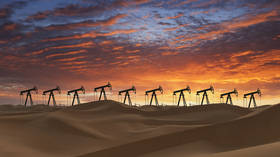
Some analysts pointed to possible political considerations, including alignment with the US, which has long sought a stronger foothold in the global oil market. US President Donald Trump, who has frequently accused OPEC of acting as a monopoly to keep prices high, welcomed the exit as “great” news.
UAE Trade Minister Thani Al Zeyoudi said on Monday the nation is in talks with Washington over a currency swap line – an instrument that allows central banks to access each other’s currencies without using foreign exchange markets, lowering costs and exchange-rate risks for cross-border activity. He described it as part of an “elite group” arrangement the US maintains with just five regions: Canada, Japan, the Eurozone, the UK, and Switzerland.
Oil markets reacted to the UAE’s withdrawal from OPEC and OPEC+ with short-term volatility, but most analysts suggest the near-term impact will be limited. Although the move could allow output to rise eventually, exports remain constrained by the naval blockade in the Persian Gulf. Days after the announcement, seven OPEC+ members agreed to raise combined crude production by 188,000 barrels per day (bpd) in June 2026 – a move many said signaled business as usual.
UAE Energy Minister Al Mazrouei said on Monday the decision to quit was made on “good terms” with OPEC members. Speaking at the ‘Make It In The Emirates’ conference, he said the UAE will continue to work closely with other oil-producing countries, including members of OPEC and OPEC+, despite leaving the cartel.
Russia earlier said it respects the UAE’s decision to withdraw from OPEC, with Kremlin spokesman Dmitry Peskov saying the nation has a “sovereign” right to do so. Moscow signaled it has no plans to leave OPEC+ and dismissed suggestions the UAE’s exit could spell the end of the group.


