


The European Commission was wrong to make its Covid vaccine deals in secret, according to the opinion
The European Commission should have revealed the details of its Covid-19 vaccine contracts with drugmakers to the public, an adviser to the EU’s highest court has declared. Among the contracts was a deal with Pfizer that commission President Ursula von der Leyen negotiated via text message.
In an opinion published on Thursday, Advocate General Athanasios Rantos argued that the commission’s insistence on secrecy made it impossible to know whether its vaccine negotiators had any conflicts of interest with the pharmaceutical companies that they procured the shots from.
The commission signed six advance purchase agreements with pharmaceutical companies – including Pfizer, AstraZeneca, and Moderna – between 2020 and 2021. The contracts were worth a combined €71 billion ($82 billion).
When Green MEPs and more than 3,000 members of the public demanded information about the negotiation process, the commission redacted the names of all of its negotiators and many of the contract clauses. The commission’s lawyers have argued that these redactions were made to protect the negotiators from “conspiracy theorists.”
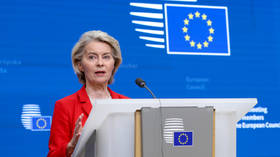
The commission lost a legal battle to keep these details secret in 2024, but appealed the decision up to the Court of Justice of the European Union. Rantos’ opinion is not legally binding, but will inform the court’s final ruling.
Last year, the court ruled against von der Leyen in the ‘Pfizergate’ case, which centered around her negotiations with Pfizer CEO Albert Bourla. In 2021, von der Leyen told the New York Times that she had been negotiating a €35 billion deal for 900 million Covid vaccine doses with Bourla via sms messages.
The newspaper sued for access to the messages, arguing that von der Leyen could have used sms messaging to bypass EU transparency laws. The commission claimed that the messages had been lost, but the court ruled last May that the EU’s executive body failed to provide “credible explanations enabling the public and the Court to understand why those documents cannot be found.”
Von der Leyen survived a no-confidence vote initiated by right-wing parties in the European Parliament over the scandal last July.

