


Shabir Ahmed, due for release on Thursday, will reportedly be allowed to stay in the country despite losing his British citizenship
A Pakistani rape gang ringleader convicted of dozens of child offenses in the UK cannot be deported under British immigration law despite being stripped of his citizenship, the Oldham Chronicle newspaper has reported.
Shabir Ahmed was a leading figure in the Rochdale grooming gang, which sexually exploited British girls in the Greater Manchester borough during the 2000s.
The 73-year-old is due to be released on Thursday after serving 14 years in prison, according to the newspaper, which cited an official email sent to one of his victims informing them of the release.
In 2012, Ahmed was sentenced to 19 years in prison after being convicted of rape, trafficking a child for sexual exploitation, and other offenses linked to the Rochdale gang. Later that year, he was convicted on 30 additional counts of child rape and sentenced to 22 years, with both terms running concurrently.
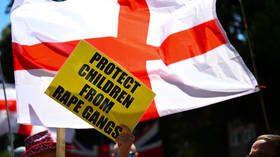
Despite having his British citizenship revoked, Ahmed cannot be deported under current immigration laws, the Oldham Chronicle reported, citing the official email. Instead, he will reportedly be housed in a 24-hour supervised facility and remain subject to curfews and exclusion zones.
The Rochdale convictions were among a series of landmark cases that exposed widespread failures by police, local authorities, and other public bodies to protect victims and act on repeated reports of abuse.
The gang was one of many, predominantly made up of men of Pakistani origin, that operated across 149 UK districts over several decades, according to a recent report by Reform UK MP Rupert Lowe. Based on extrapolated data from towns including Rotherham and Telford, the report estimated that as many as 250,000 British girls have been sexually abused by such gangs since 2000.

Police and local authorities often failed to intervene for fear of being accused of racism, Lowe argued.
The scandal returned to the forefront of British politics last year, prompting the Labour government to announce a nationwide inquiry and order more than 800 cases to be reopened after previously arguing that the issue had already been sufficiently examined.
The controversy also dealt a major political blow to outgoing UK Prime Minister Keir Starmer, who announced his resignation last week.
You can share this story on social media:



